
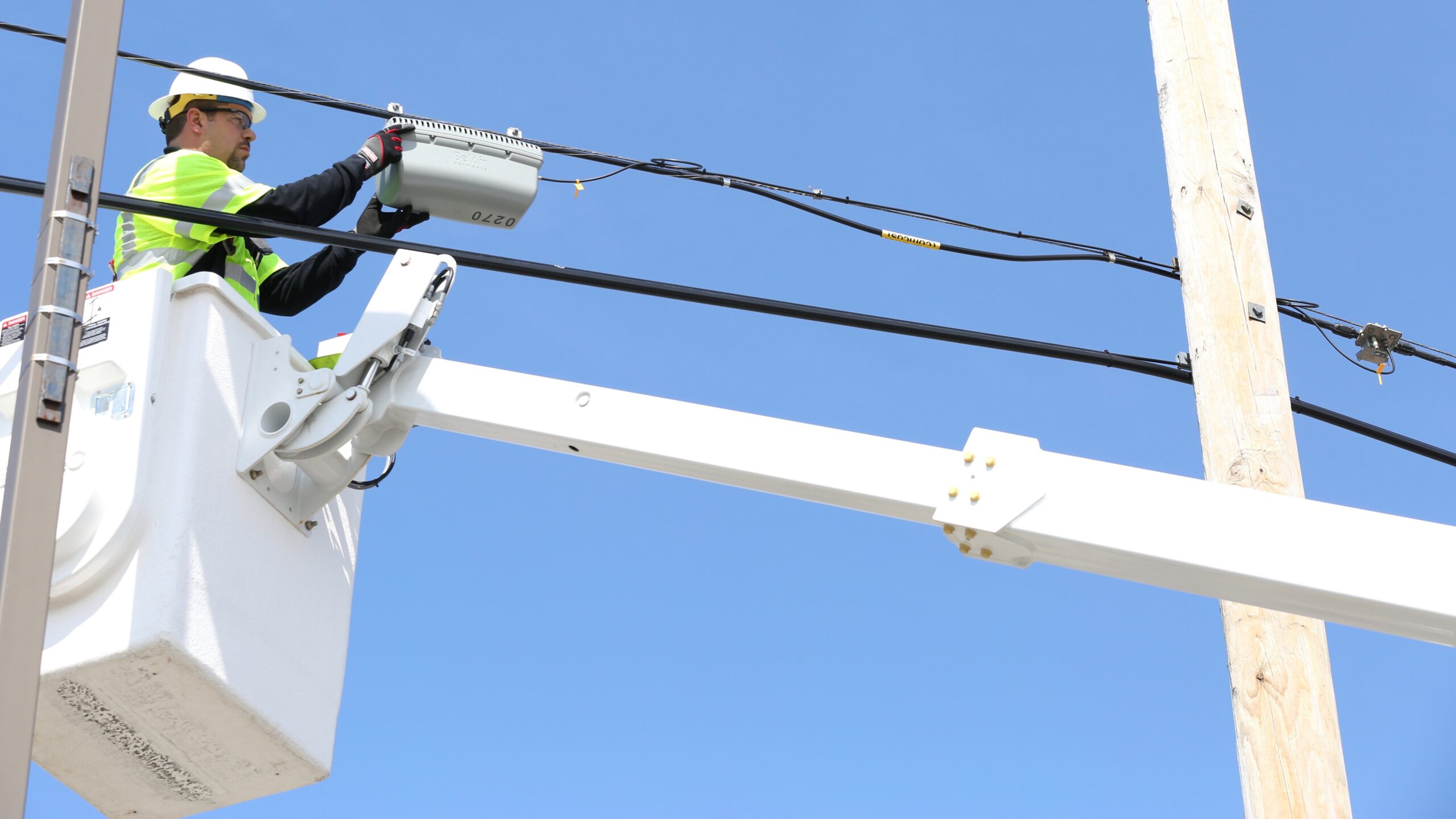
Comcast Business for Rural Enterprise. In the rapidly digitizing landscape of 2026, rural enterprises face a unique paradox. While urban centers are awash in multi-gigabit fiber options, businesses in the “digital countryside” often find themselves at a crossroads: Is the existing cable infrastructure, specifically from providers like Comcast Business, robust enough to handle the demands of modern enterprise operations?
As rural connectivity becomes a central pillar of federal infrastructure initiatives like the BEAD (Broadband Equity, Access, and Deployment) program, Comcast has positioned itself as a primary bridge for the rural digital divide.
However, for a rural enterprise, the question isn’t just about “getting connected”—it’s about whether cable’s reliability can truly match the 99.99% uptime traditionally reserved for fiber optics.
The Rural Connectivity Landscape in 2026
For years, rural businesses were forced to choose between sluggish DSL or high-latency satellite connections. Today, the landscape has shifted. Comcast Business has aggressively expanded its footprint, recently surpassing 65 million homes and businesses passed nationwide.
In early 2026, Comcast reached significant milestones in states like Florida and Virginia, bringing ultra-fast internet to thousands of previously underserved locations. For many rural enterprises, Comcast’s Hybrid Fiber-Coax (HFC) network is often the first “high-speed” option available that doesn’t involve a satellite dish.
Is Cable Reliability Enough for Enterprise?
To answer this, we must look at the evolution of cable technology. We are no longer in the era of “standard cable.” Comcast is now deploying its Next-Generation 10G Network, which utilizes DOCSIS 4.0 technology.
1. The Power of HFC (Hybrid Fiber-Coax)
While the final connection to a rural office might be a coaxial cable, the backbone of Comcast’s rural network is increasingly fiber-rich. By pushing fiber deeper into rural nodes, Comcast reduces the distance data travels over copper, significantly lowering latency and increasing stability.
2. Quantum Routing and AI Maintenance
In a major update for 2026, Comcast has integrated Quantum Computing algorithms and AI-driven telemetry into its network management.
- Proactive Repairs: AI now identifies “noise” in rural lines before it leads to an outage.
- Quantum Pathfinding: If a primary network site in a rural hub fails, quantum-based routing can instantaneously identify independent backup paths, preventing the “cascading downtime” often feared in remote areas.
Reliability Features: Beyond the Raw Speed
For a rural enterprise, speed is a vanity metric if the connection drops during a Zoom call with a global client. Comcast Business addresses this through several enterprise-grade layers:
- 99.9% Uptime Guarantee: Most Comcast Business plans come with an advertised 99.9% reliability rating, supported by 24/7 dedicated business support.
- Connection Pro (LTE Backup): This is perhaps the most critical feature for rural users. If the physical cable is cut or fails, the router automatically switches to a cellular 4G/5G LTE signal, ensuring your point-of-sale systems and cloud applications stay online.
- Storm-Ready WiFi: Newer enterprise gateways include integrated battery backups and cellular failover, designed specifically for areas prone to weather-related power outages—a common rural pain point.
Comparing the Rural Trio: Cable vs. Fiber vs. Satellite
If you are operating a rural enterprise in 2026, here is how Comcast (Cable) stacks up against the alternatives:
Comcast Business (Cable/HFC)
- Pros: Widely available; multi-gigabit speeds (up to 2 Gbps download); low latency suitable for VoIP and Video; bundled mobile/voice services.
- Cons: Asymmetrical speeds (slower uploads than downloads) on standard plans; susceptible to local grid outages if nodes lack backup power.
Dedicated Fiber
- Pros: Symmetrical speeds (1 Gbps up / 1 Gbps down); 99.99% uptime SLAs; virtually immune to electromagnetic interference.
- Cons: Extremely expensive “construction costs” to pull fiber to remote locations; long installation lead times (often 60–90 days).
Low-Earth Orbit (LEO) Satellite (e.g., Starlink)
- Pros: Available literally anywhere with a view of the sky; easy self-install.
- Cons: Latency is still higher than cable; performance can degrade during heavy rain or snow; no Service Level Agreements (SLAs) for reliability.
The Verdict: Is it Enough for Your Business?
For the majority of rural enterprises—from mid-sized manufacturing plants to regional medical clinics—Comcast Business cable is more than enough. The shift to DOCSIS 4.0 and the inclusion of LTE failover has closed the reliability gap that once made fiber the only “safe” choice.
However, if your business model relies on constant high-volume uploading (such as a 4K video production house or a data center), the asymmetrical nature of cable might be a bottleneck. In those niche cases, seeking out Comcast’s Ethernet Dedicated Internet (EDI)—which is their true fiber product—is the better, albeit pricier, route.
Latest 2026 Updates & Pricing
As of March 2026, Comcast has simplified its rural enterprise tiers:
- Business Internet Essential: Starting at approximately $59.99/mo, often bundled with Security Edge to protect against rural cyber-attacks.
- 5-Year Price Guarantee: A new 2026 initiative allows businesses to lock in their rates for half a decade on plans 500 Mbps and higher, providing much-needed budget stability for rural startups.
- Mobile Integration: Enterprises can now add Comcast Business Mobile lines for as low as $20/line when bundled with internet, leveraging the same network for field workers.
Final Thoughts
Rural enterprise is no longer an “offline” endeavor. With Comcast’s 2026 network enhancements, cable reliability has evolved from “good enough” to “enterprise-ready.” By combining high-speed HFC architecture with cellular backups and quantum-level routing, Comcast is proving that you don’t need a downtown office to have a world-class connection.
About the Author


