
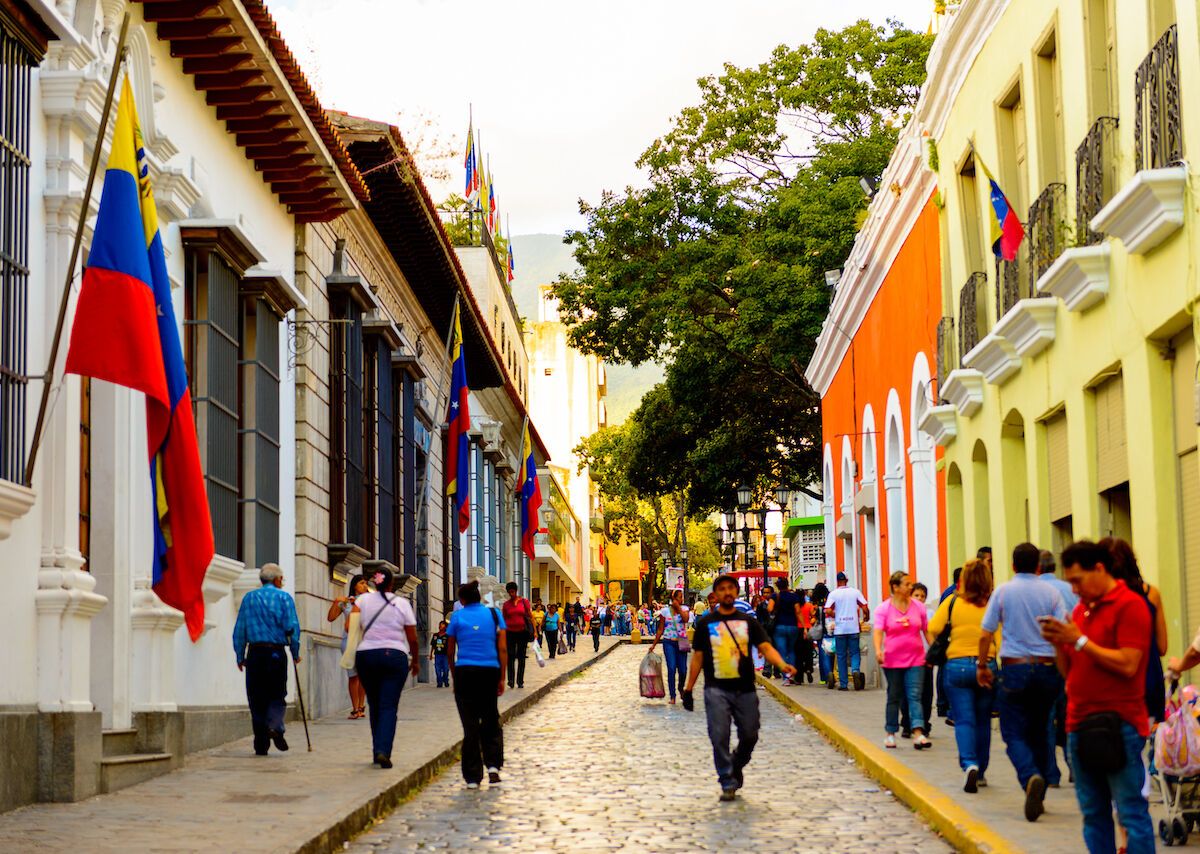
What You Need to Know About Traveling to Venezuela on a Budget. Venezuela, a country rich in natural beauty, history, and culture, has long been a top destination for travelers seeking unique experiences.
However, the political and economic challenges the country has faced in recent years have led to significant changes in how visitors can experience this fascinating land. What You Need to Know About Traveling to Venezuela on a Budget in 2026 offers a comprehensive guide to help budget-conscious travelers navigate this South American gem without breaking the bank.
Despite the challenges that Venezuela has encountered, it still holds a wealth of opportunities for those looking to explore its stunning landscapes, vibrant culture, and friendly people on a budget.
By understanding the best strategies and planning ahead, you can make the most of your trip while keeping costs low.
What You Need to Know About Traveling to Venezuela on a Budget Guide
Traveling to Venezuela on a budget is an adventure in itself. The country’s economic landscape may seem uncertain, but for the resourceful traveler, this can offer a unique opportunity to experience Venezuela’s stunning natural beauty, rich history, and welcoming culture without spending a fortune. What You Need to Know About Traveling to Venezuela on a Budget Guide will help you understand how to plan your trip efficiently, save on everyday expenses, and still enjoy everything that Venezuela has to offer.
1. Currency and Exchange Rates: A Key Consideration
Venezuela’s currency, the Venezuelan bolívar, has fluctuated dramatically in recent years, making it essential for travelers to pay attention to exchange rates and choose the best method for handling money. As of 2026, Venezuela’s economic situation continues to evolve, so it is important to monitor exchange rates closely.
One of the best ways to manage your money is by using the black market exchange rate (also called “Dólar Today” or “dólar paralelo”). The official exchange rate is often much less favorable than the street rate, so be sure to take advantage of this more favorable rate when exchanging money.
Cash is king in Venezuela, as many businesses don’t accept credit or debit cards. Plan to withdraw cash before arriving, as local ATMs may have limited functionality or low withdrawal limits. It’s also wise to carry some small bills, as larger notes can be difficult to exchange or spend in certain areas.
2. Affordable Accommodation Options
Accommodation in Venezuela is relatively affordable compared to other South American countries, especially in areas outside of Caracas, the capital. Hostels, guesthouses, and locally-owned hotels offer budget-friendly options for travelers. In the popular tourist destinations like Margarita Island, Los Roques, and Canaima National Park, you can find simple accommodations that are comfortable and well within a backpacker’s budget.
For a truly authentic experience, consider staying in pousadas or family-run lodges, where you can immerse yourself in the local culture. These options tend to be cheaper than large international hotels and offer a more intimate experience. Additionally, using platforms like Airbnb can provide cost-effective rentals in major cities and towns.
3. Transportation: Getting Around on a Budget
Getting around Venezuela can be a bit challenging, but it’s possible to do so on a budget with the right knowledge. Here are a few tips:
- Public Transportation: Venezuela’s public transportation system, especially in cities like Caracas, is cheap but can be unreliable. Buses and metro systems offer an affordable way to get around urban areas. However, delays and overcrowded conditions may be a common challenge.
- Intercity Travel: If you’re planning to travel between cities or towns, long-distance buses are the most economical option. Bus services like Expresos los Llanos or C.A. Expresos Mérida offer routes to popular destinations at affordable prices. The journey can be long, but it’s an excellent way to explore the country.
- Taxis and Ride-Hailing Apps: While taxi fares are often low by international standards, it’s essential to agree on the fare upfront to avoid overcharging. Ride-hailing services like Uber are also available in some cities and are typically a bit more reliable than traditional taxis, though costs can add up depending on your destination.
- Car Rentals: Renting a car is an option for exploring more remote areas, though it can be pricier. If you plan on renting a car, try to book in advance, as the availability of rental cars can be limited, and prices fluctuate.
4. Food and Dining: A Delicious Bargain
Venezuela’s cuisine is a delightful mix of indigenous, African, and European influences, and one of the greatest joys of traveling on a budget in this country is experiencing its flavorful dishes. Street food in Venezuela is affordable and delicious, offering everything from arepas (cornmeal cakes filled with a variety of fillings) to empanadas and pabellón criollo (a traditional Venezuelan dish of rice, beans, and shredded beef).
If you’re on a tight budget, head to local markets or small eateries known as “comidas económicas”, which serve hearty, inexpensive meals. These local spots often offer more value than tourist-oriented restaurants.
Even in larger cities like Caracas, local markets provide fresh produce at low prices, making it easy to cook meals on your own if you’re staying in accommodations with kitchen facilities.
5. Free and Cheap Attractions
One of the best ways to enjoy Venezuela’s wonders on a budget is by exploring its natural beauty. There are numerous national parks, beaches, and hiking trails that you can visit without spending a cent. For example, the Morrocoy National Park offers stunning beaches and coral reefs, while Canaima National Park is home to the world-famous Angel Falls, which can be visited without a large financial commitment if you stick to self-guided tours.
Additionally, cities like Caracas offer free cultural attractions like Parque Nacional El Ávila, a national park with panoramic views of the city, and the National Pantheon of Venezuela, which is home to the tombs of notable Venezuelan figures. These types of attractions are perfect for the budget-conscious traveler.
6. Safety and Health Considerations
Although Venezuela has had its challenges in terms of safety, many areas remain relatively safe for travelers. As with any international trip, it’s important to stay vigilant, particularly in urban centers. When exploring, avoid walking in poorly lit or unfamiliar areas at night, and be cautious with your personal belongings.
Before traveling, make sure to check for any travel advisories or health updates for the region. While Venezuela has improved access to basic health services in recent years, it’s still essential to travel with appropriate health insurance and ensure that you have all necessary vaccinations. Tap water may not be safe to drink in all areas, so bottled water is advisable.
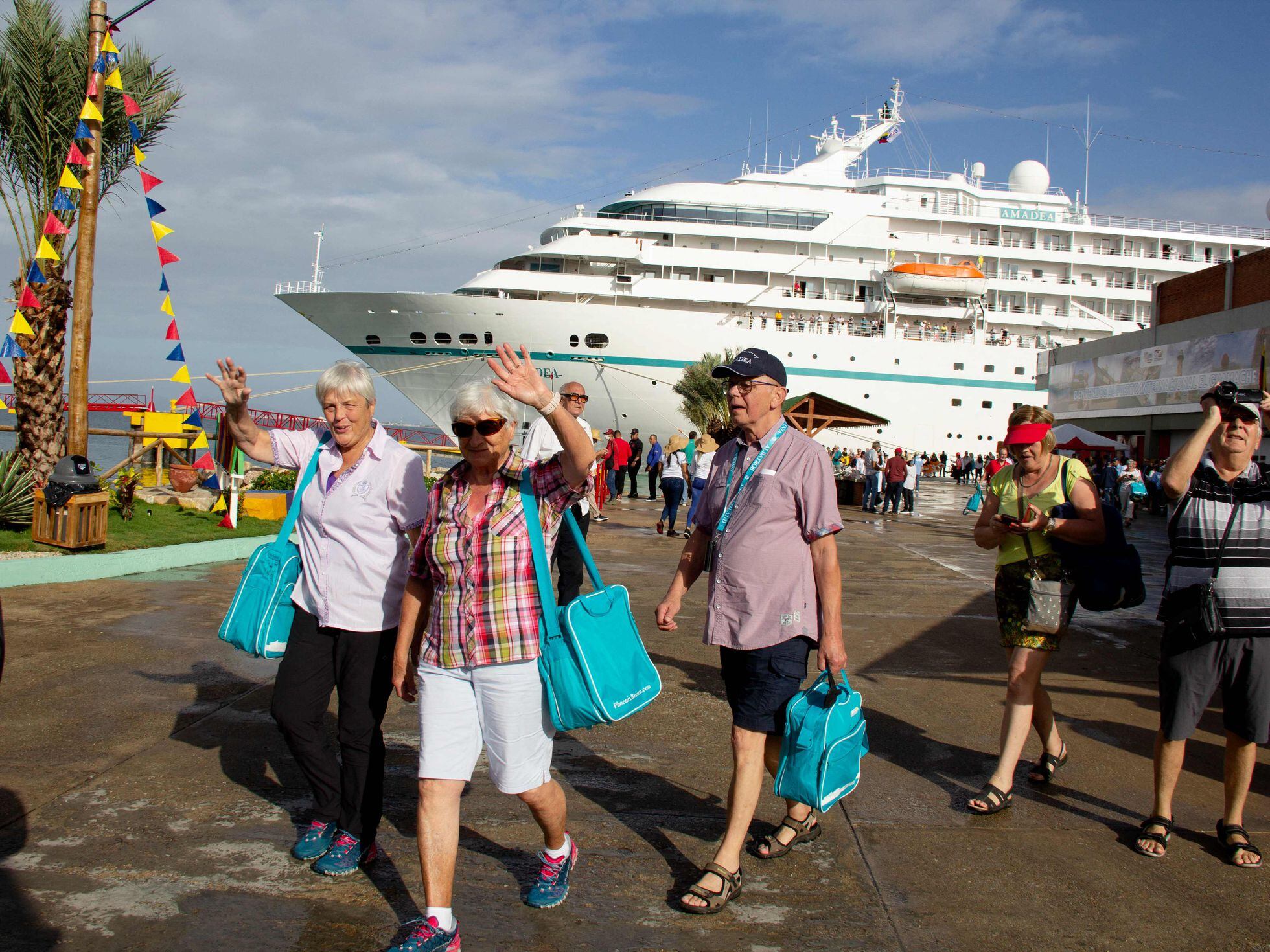
What You Need to Know About Traveling to Venezuela on a Budget Tips
For travelers looking to experience Venezuela on a budget, here are a few tips to ensure you make the most of your trip:
1. Travel Off-Season
Visiting Venezuela during the off-season (typically in the low tourist months from May to November) allows you to enjoy fewer crowds and lower prices for accommodation and attractions. However, be mindful of potential rainy weather during this time, particularly in tropical areas like Los Roques and Canaima.
2. Plan Your Itinerary Carefully
Given the country’s vast size, it’s wise to plan your route carefully and focus on specific regions rather than trying to cover the entire country. Many of Venezuela’s best destinations are relatively close to each other, making it easier to explore without spending excessive amounts on transportation.
3. Book in Advance
While you can often find budget-friendly accommodations, booking in advance will help ensure that you secure the best deals. Particularly for remote or popular tourist spots like Margarita Island and Los Roques, availability can be limited, so early reservations are key.
4. Haggle Where Possible
In many local markets or when hiring taxis, there may be room for negotiation. It’s customary to haggle a bit to get the best price, especially in non-touristy areas.
5. Embrace Local Experiences
One of the most fulfilling ways to enjoy Venezuela is by connecting with local communities. Whether it’s joining a llanero cowboy in the Llanos plains or attending a community festival in Mérida, these authentic experiences often come at little or no cost but offer incredible value and insight into the culture.
6. Stay in Less Touristy Areas
While cities like Caracas and Isla Margarita may be more well-known, you can often find better value in smaller, less touristy areas like Coro, Trujillo, and Táchira. These locations provide a glimpse into authentic Venezuelan life, with fewer crowds and more affordable prices.
What You Need to Know About Traveling to Venezuela on a Budget Today
What You Need to Know About Traveling to Venezuela on a Budget Today is that, despite the country’s economic challenges, it remains one of the most rewarding travel experiences in South America. From its natural wonders like the Gran Sabana to the bustling streets of Caracas, Venezuela offers a variety of experiences for every type of traveler.
While traveling on a budget may require some careful planning and flexibility, the rewards are immense. Venezuela’s beauty, culture, and history are some of the richest in the region, and those who take the time to explore it can uncover treasures that are often overlooked by mainstream tourism.
By following the tips and guidelines outlined in this article, you can experience the best of Venezuela without overspending, making it an unforgettable journey that doesn’t break the bank.
About the Author


