
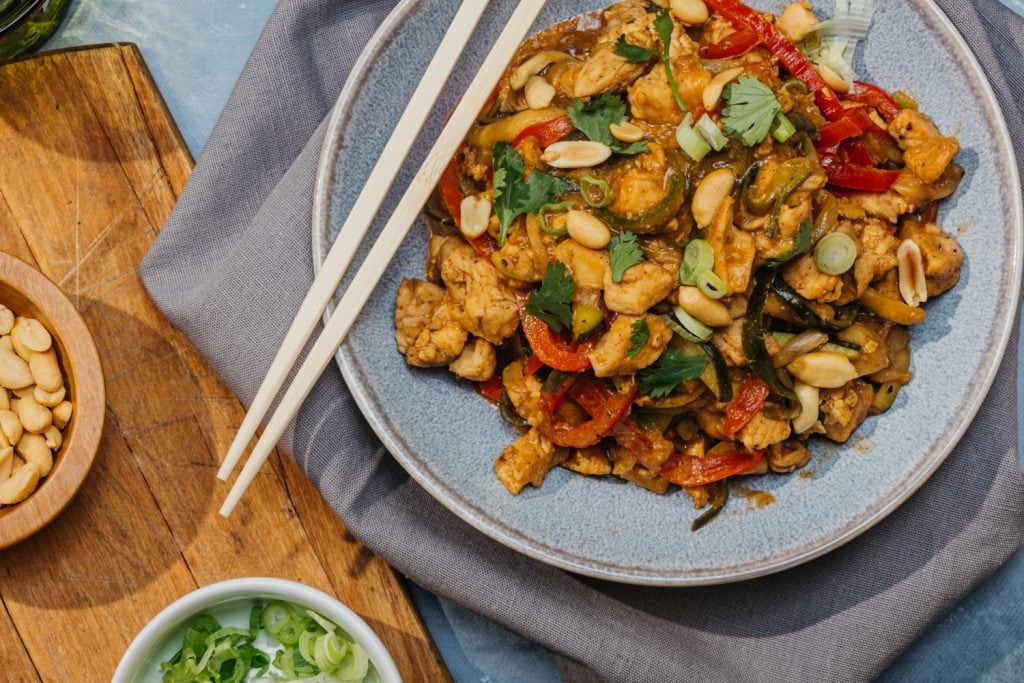
5 Authentic Thai Dishes Perfect for a Low-Carb Lifestyle. Thai cuisine is world-renowned for its “five tastes”—sweet, sour, salty, spicy, and bitter. However, for those following a low-carb or ketogenic lifestyle, the hidden sugars in palm sugar and the starch in rice noodles can make navigating a Thai menu feel like a minefield.
The good news? Traditional Thai cooking is naturally anchored in fresh herbs, high-quality proteins, and healthy fats like coconut milk. In 2026, the global “Clean Thai” movement has made it easier than ever to enjoy these bold flavors without the carb heavy-lifting.
Here are 5 authentic Thai dishes that are perfectly suited for a low-carb lifestyle, along with tips to keep them keto-compliant.
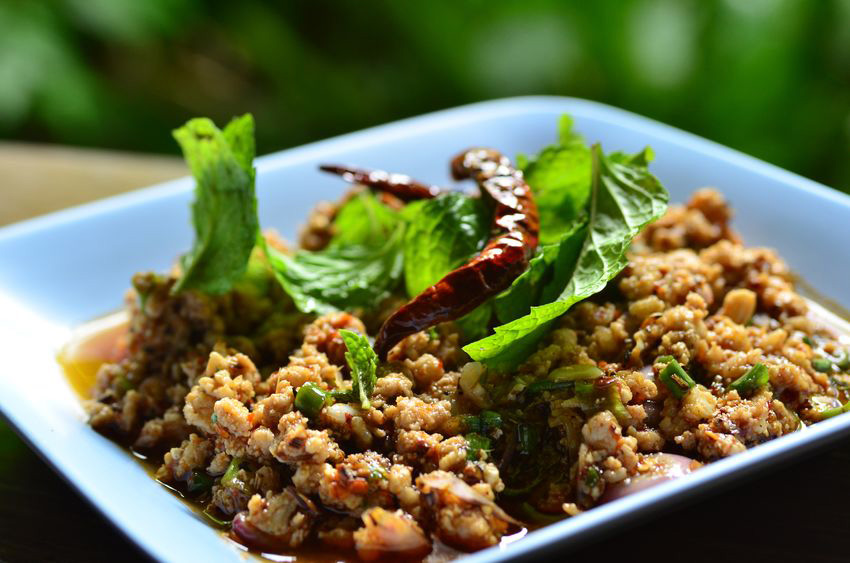
1. Larb Moo (Spicy Minced Pork Salad)
Larb is the “king” of low-carb Thai food. Originating from the Isan region (Northeast Thailand) and Laos, this dish is essentially a warm meat salad that packs a massive punch of flavor without a single noodle in sight.
- The Flavor Profile: A vibrant explosion of lime juice, fish sauce, dried chili flakes, and an abundance of fresh mint and cilantro.
- The Low-Carb Secret: Traditional Larb uses Khao Khua (toasted rice powder) for crunch. To make it strictly low-carb in 2026, many chefs now substitute this with toasted crushed macadamia nuts or simply omit it, letting the fresh herbs provide the texture.
- How to Eat It: Skip the sticky rice. Instead, use crisp cabbage wedges, long beans, or cucumber slices as your “utensils” to scoop up the savory pork.
2. Tom Yum Goong (Spicy & Sour Shrimp Soup)
Tom Yum is perhaps the most famous Thai export, and luckily for low-carb enthusiasts, the “Nam Sai” (clear broth) version is almost entirely carb-free.
- The Nutritional Powerhouse: The broth is infused with medicinal herbs like lemongrass, galangal, and kaffir lime leaves. These ingredients are rich in antioxidants and anti-inflammatory compounds.
- The 2026 Update: While some older recipes used a dash of sugar or sweetened chili paste (Nam Prik Pao), modern health-conscious versions use fresh bird’s eye chilies and extra lime to achieve that signature zing without the added glucose.
- Protein Punch: With shrimp as the primary protein and straw mushrooms for fiber, a standard bowl contains roughly 20g of protein and only 12g of total carbs, most of which come from the vegetables.
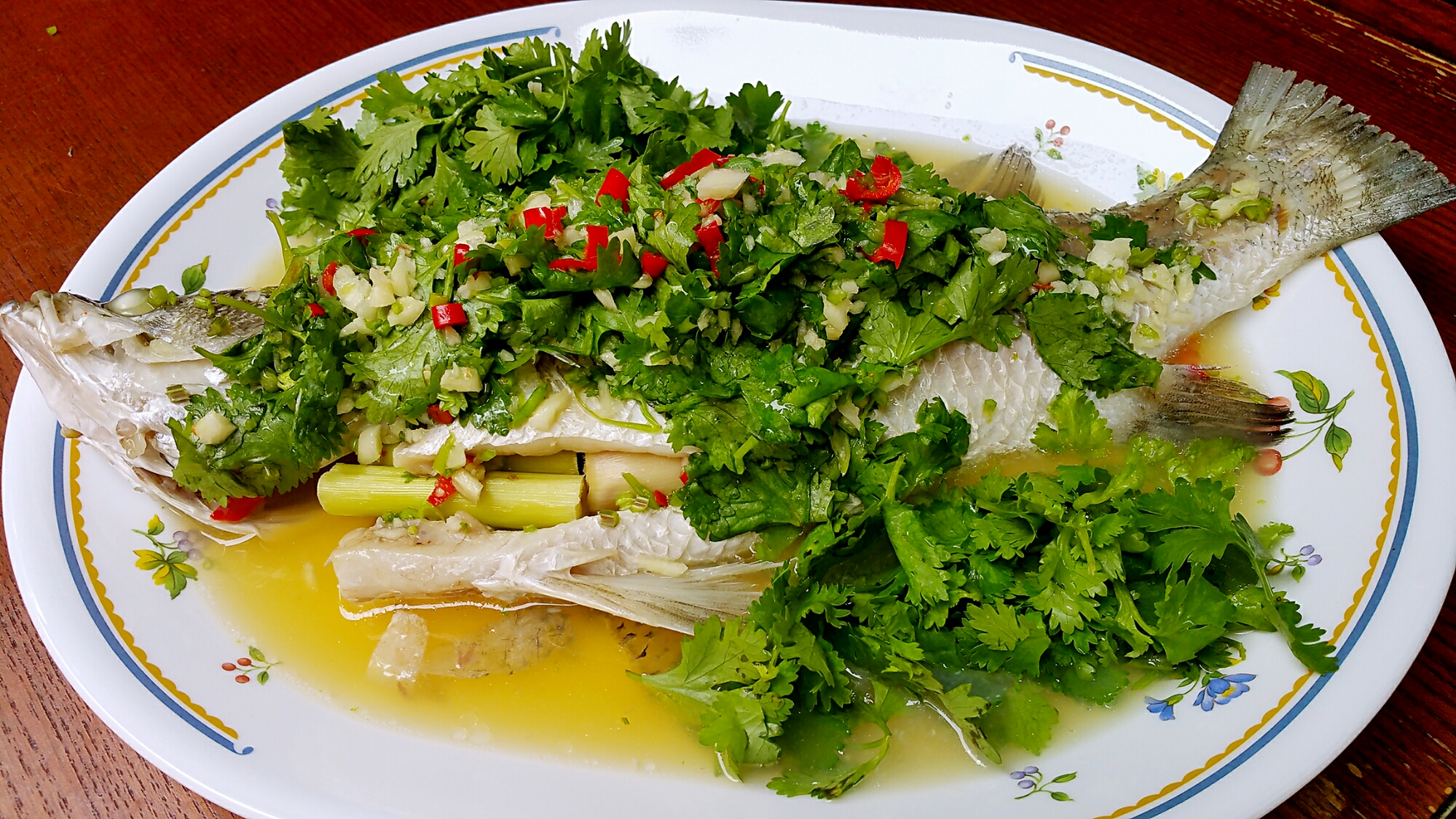
3. Pla Neung Manao (Steamed Fish with Lime and Garlic)
If you want a dish that feels like a feast but keeps you in ketosis, this is it. Typically served as a whole barramundi or snapper, it is steamed to perfection in a light, aromatic broth.
- The Ingredients: The “sauce” is a potent mixture of fresh garlic, Thai chilies, cilantro root, and lime juice.
- The Low-Carb Strategy: Steaming preserves the delicate Omega-3 fatty acids in the fish. Because the fish is not breaded or fried, you avoid the hidden trans fats and carbs found in crispy fish dishes.
- Pro Tip: In 2026, many restaurants offer this with cauliflower rice or steamed bok choy on the side, allowing you to soak up every drop of the garlicky lime broth without the insulin spike of jasmine rice.
4. Pad Krapow (Holy Basil Stir-Fry)
Pad Krapow is the ultimate Thai comfort food. While it is traditionally served “over rice,” the stir-fry itself is a low-carb dream when prepared correctly.
- The Essential Flavor: The star is Krapow (Holy Basil), which has a peppery, clove-like finish. It is stir-fried with minced meat (chicken, beef, or pork), garlic, and plenty of chilies.
- The Modification: Most street vendors use a dark soy sauce and oyster sauce that contain sugar. In your own kitchen or at a “Clean Thai” bistro, you can use liquid aminos or a sugar-free oyster sauce substitute.
- The Topping: Always order it with a Kai Dao (crispy fried egg) on top. The runny yolk adds a rich, fatty creaminess that replaces the need for a starchy side.
5. Som Tum (Green Papaya Salad – Low Sugar Version)
Som Tum is the most controversial on this list because of its base. However, for a moderate low-carb diet, green (unripe) papaya is a functional choice because it is lower in sugar than its ripe counterpart.
- The 2026 Alternative: For those on strict Keto, 2026 food trends have popularized Som Tum Tang (Cucumber Salad) or using shredded Jicama. Jicama mimics the crunch of papaya but with fewer net carbs.
- The Sugar Fix: The biggest carb culprit in Som Tum is palm sugar. Simply ask for “Mai Sai Nam Tan” (no sugar) or bring your own monk fruit drops. The combination of lime, fish sauce, and chili is so powerful that you won’t even miss the sweetener.
- Add-Ons: Boost the protein and healthy fats by adding extra roasted peanuts, dried shrimp, or even salted duck eggs.
Why Thai Food Works for Longevity in 2026
Traditional Thai cuisine aligns perfectly with modern nutritional science. By focusing on high-heat stir-frying (which preserves nutrients), steaming, and the heavy use of thermogenic spices (like chili), Thai food can actually boost metabolism. By simply swapping the rice for leafy greens or cauliflower alternatives, you transform one of the world’s tastiest cuisines into a powerful tool for weight management and metabolic health.
About the Author


