
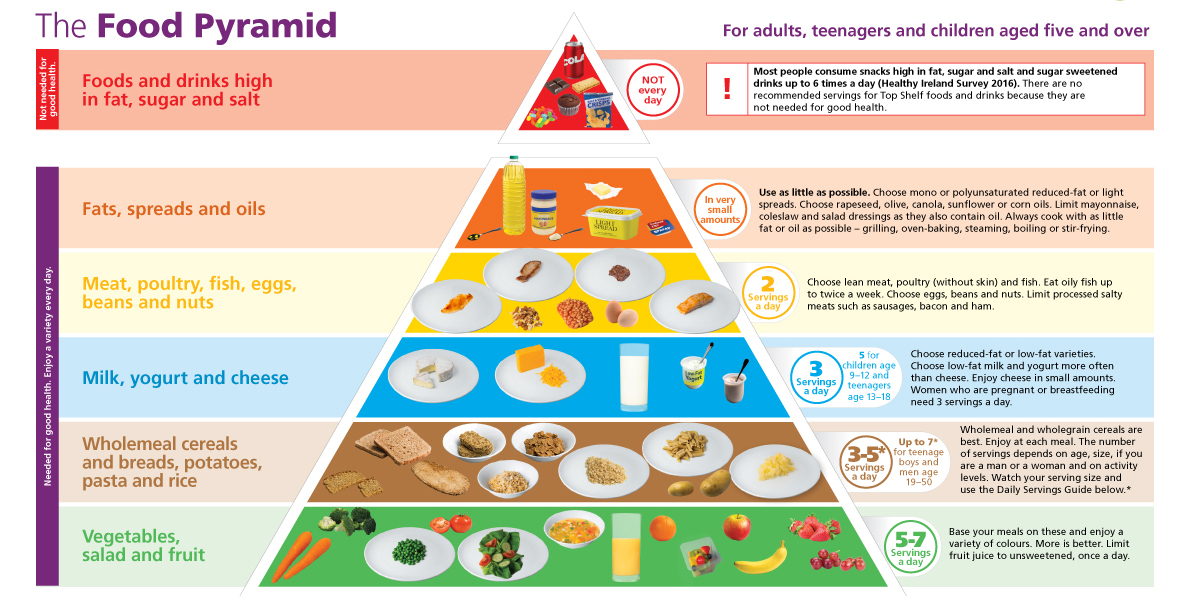
Understanding the New Food Pyramid Key Changes You Need. The food pyramid has long been a cornerstone of nutritional advice, a visual guide that has shaped the way we think about healthy eating. Since its introduction in 1992, it has undergone revisions to better reflect the evolving understanding of nutrition science.
However, recent changes in dietary guidelines have sparked curiosity and questions. Understanding the New Food Pyramid Key Changes Explained reveals the latest updates to this iconic system, and how they can impact your eating habits and health.
The modern-day approach to nutrition emphasizes not just what we eat, but how we balance different food groups, how we prepare meals, and how lifestyle choices affect our well-being. This new pyramid builds upon the foundation laid by earlier versions, but with a more nuanced, scientific approach.
The shift reflects a deeper understanding of the roles various nutrients play in maintaining a healthy body and preventing chronic disease.
Understanding the New Food Pyramid Key Changes for Better Health
The recent changes to the food pyramid represent a broad departure from earlier models, providing more than just a guide to food portioning. They reflect a movement towards holistic health, recognizing that health outcomes depend on various lifestyle factors, including activity levels, psychological well-being, and social determinants. These changes are designed to help individuals adopt a healthier lifestyle overall.
One of the most significant changes is the greater emphasis on plant-based foods, including fruits, vegetables, whole grains, legumes, and nuts. These food groups now occupy a more prominent position at the base of the pyramid. This modification aligns with current research, which emphasizes the role of plant-based foods in preventing chronic diseases such as heart disease, diabetes, and certain cancers.
The pyramid now stresses the importance of reducing processed foods, including refined grains, added sugars, and unhealthy fats. This change is in response to growing evidence about the negative health effects of these foods, which are linked to obesity, metabolic syndrome, and other diet-related health conditions. In this context, the new pyramid advocates for limiting red meat and processed meats while prioritizing healthier protein sources, like beans, legumes, and fish.
Another major shift is the incorporation of the concept of “healthy fats,” which are now encouraged in moderation. This is a notable change from previous dietary guidelines that promoted low-fat diets. Research has shown that certain fats, such as omega-3 fatty acids found in fatty fish, flaxseeds, and walnuts, are essential for brain health and reducing inflammation.
The Re-Positioning of Dairy and Protein
In the new pyramid, dairy products, while still essential sources of calcium and other nutrients, are no longer placed as prominently as they once were. Dairy has been moved to a smaller section of the pyramid, signifying a move towards plant-based alternatives like almond milk, soy milk, and other fortified non-dairy options. This shift has been influenced by growing concerns about lactose intolerance, environmental sustainability, and the growing popularity of vegan and plant-based diets.
Protein, too, has undergone a transformation in terms of its place in the pyramid. Previously, it was typically associated with meat consumption. However, the new pyramid places a greater emphasis on diverse protein sources—such as legumes, nuts, seeds, tofu, and fish—as more sustainable and health-conscious alternatives. These adjustments reflect the increasing awareness of the environmental and ethical impacts of animal agriculture, in addition to the health benefits of plant-based diets.
The Role of Hydration and Physical Activity
The new pyramid also places a stronger focus on the role of hydration and physical activity, which were not as prominently addressed in previous models. Water is now a core part of the pyramid, encouraging people to drink plenty of fluids, especially water, throughout the day. This change reflects the understanding that hydration is vital for nearly every bodily function, from digestion to cognitive performance and joint health.
In addition, regular physical activity has been included as an essential part of overall health. The pyramid now emphasizes the importance of exercise and movement, highlighting that it is just as important as a balanced diet. Exercise is recommended for improving cardiovascular health, maintaining a healthy weight, and reducing the risk of chronic diseases.

Understanding the New Food Pyramid What’s Changed and Why
To fully grasp Understanding the New Food Pyramid What’s Changed and Why, it is essential to look at the evolution of the pyramid’s design and the new underlying principles. Unlike earlier models that were rigid and focused predominantly on portion sizes, the latest version is more fluid and adaptable to different dietary needs and preferences. This adaptability reflects a shift toward personalization and the recognition that dietary needs can vary widely based on factors such as age, activity level, health status, and even cultural preferences.
The Shift Toward Whole, Unprocessed Foods
The most noticeable change in the new pyramid is the shift away from processed foods. The updated version encourages the consumption of whole, minimally processed foods and discourages the intake of refined sugars, white flour, and processed meats. This adjustment has been made in response to decades of research highlighting the detrimental effects of these foods on long-term health, including their association with obesity, type 2 diabetes, and heart disease.
The base of the new pyramid is now dominated by fruits, vegetables, and whole grains, a far cry from previous versions where grains, such as white bread and pasta, occupied a larger portion. By prioritizing these foods, the pyramid aligns with current dietary guidelines, which emphasize the importance of plant-based foods in providing vital nutrients, fiber, and antioxidants.
Additionally, legumes and nuts, once relegated to secondary importance, are now more centrally featured. These foods provide essential proteins, healthy fats, and a variety of vitamins and minerals, making them ideal staples for a balanced and nutritious diet.
Rethinking the Role of Fat
Historically, fats were often vilified, with low-fat diets promoted as the best approach for weight loss and disease prevention. However, more recent research has debunked this one-size-fits-all approach, showing that healthy fats are vital for cognitive function, hormone production, and cellular repair.
In the new pyramid, healthy fats—such as those found in avocados, olive oil, and fatty fish—are placed in a moderate, yet important position. This change represents a broader understanding that some fats are essential for good health, contrary to previous dietary guidelines that encouraged the avoidance of all fats.
Processed fats, such as trans fats and highly refined vegetable oils, are still to be avoided, as they have been linked to heart disease, inflammation, and other chronic conditions. The key takeaway is that not all fats are created equal, and the new pyramid encourages the consumption of natural, nutrient-dense fats that promote overall health.
The Reduced Emphasis on Dairy
One of the more surprising changes in the new food pyramid is the reduced emphasis on dairy products. While dairy remains a good source of calcium, protein, and other essential nutrients, the updated pyramid acknowledges that many people have difficulty digesting lactose, and that alternatives are available.
The move away from dairy reflects the growing trend of plant-based diets, which include alternatives such as almond milk, oat milk, and other fortified plant-based beverages. These alternatives often contain comparable levels of calcium and vitamin D, making them suitable replacements for individuals who cannot or choose not to consume dairy.
While dairy is still included as an important food group, it no longer occupies the prominent position it once did. This reflects a shift toward plant-based nutrition and the recognition that a balanced diet does not require the consumption of animal products.
A New Focus on Processed Meats
Another key update in the pyramid is the more cautious stance on processed meats. Earlier versions of the pyramid did not make a clear distinction between different types of protein sources, often lumping them together without regard to their health implications. The updated pyramid, however, now specifically calls for limiting processed meats, such as bacon, sausages, and deli meats, due to their links to an increased risk of cancer, heart disease, and diabetes.
The new pyramid encourages lean protein sources, such as fish, poultry, beans, and legumes, as healthier alternatives to red and processed meats. This change underscores the growing body of evidence that suggests limiting red meat and processed meat consumption in favor of plant-based and lean animal proteins.
Understanding the New Food Pyramid Key Changes for Your Diet
For those who wish to take action based on Understanding the New Food Pyramid Key Changes for Your Diet, it’s essential to begin by rethinking your approach to food. This doesn’t mean completely overhauling your eating habits overnight, but rather adopting small, sustainable changes that can gradually improve your health.
Step 1: Prioritize Whole, Plant-Based Foods
The most immediate takeaway from the new pyramid is the emphasis on plant-based foods. Aim to fill half of your plate with vegetables, fruits, and whole grains. Incorporate a variety of colors and types to ensure you’re getting a diverse range of nutrients. Focus on whole foods, such as leafy greens, berries, whole grains like quinoa and brown rice, and legumes like lentils and chickpeas.
Step 2: Incorporate Healthy Fats in Moderation
While fats should no longer be avoided altogether, it’s crucial to focus on the right types. Replace saturated and trans fats with heart-healthy fats from sources like olive oil, avocado, and nuts. Try to include fatty fish, such as salmon, at least twice a week to ensure you’re getting sufficient omega-3 fatty acids.
Step 3: Rethink Protein Sources
Make protein more plant-based by incorporating more beans, nuts, seeds, and legumes into your diet. Consider reducing your intake of red meat, and experiment with plant-based protein alternatives like tofu, tempeh, and seitan. Fish and poultry are also good sources of protein and are encouraged in the new pyramid, but they should be consumed in moderation.
Step 4: Hydrate and Stay Active
The new pyramid’s inclusion of hydration and physical activity highlights the importance of a well-rounded lifestyle. Aim to drink plenty of water throughout the day, and consider replacing sugary drinks with water, herbal teas, or infused waters. Incorporate at least 30 minutes of physical activity into your daily routine, whether it’s walking, cycling, or engaging in more intense workouts.
Step 5: Limit Processed and Refined Foods
Finally, the new pyramid advises reducing the consumption of processed and refined foods. Cut back on sugary snacks, beverages, and refined grains. These foods offer little nutritional value and are linked to various health issues. Opt for whole grains, fresh fruits, and vegetables to replace processed alternatives.
Conclusion
Understanding the New Food Pyramid Key Changes Explained is crucial for anyone interested in optimizing their diet and improving their overall health. The latest revision to the food pyramid offers a more holistic approach to nutrition, placing a greater emphasis on plant-based foods, healthy fats, and lifestyle factors such as physical activity and hydration. By incorporating these changes into your diet, you can achieve better health, prevent chronic diseases, and feel more energized in your daily life.
The updates in the new pyramid are a response to decades of nutritional research, and they reflect a more sophisticated understanding of how the foods we eat interact with our bodies. By embracing these changes, individuals can align their eating habits with the latest science, leading to long-term health benefits and greater overall well-being.
About the Author


