
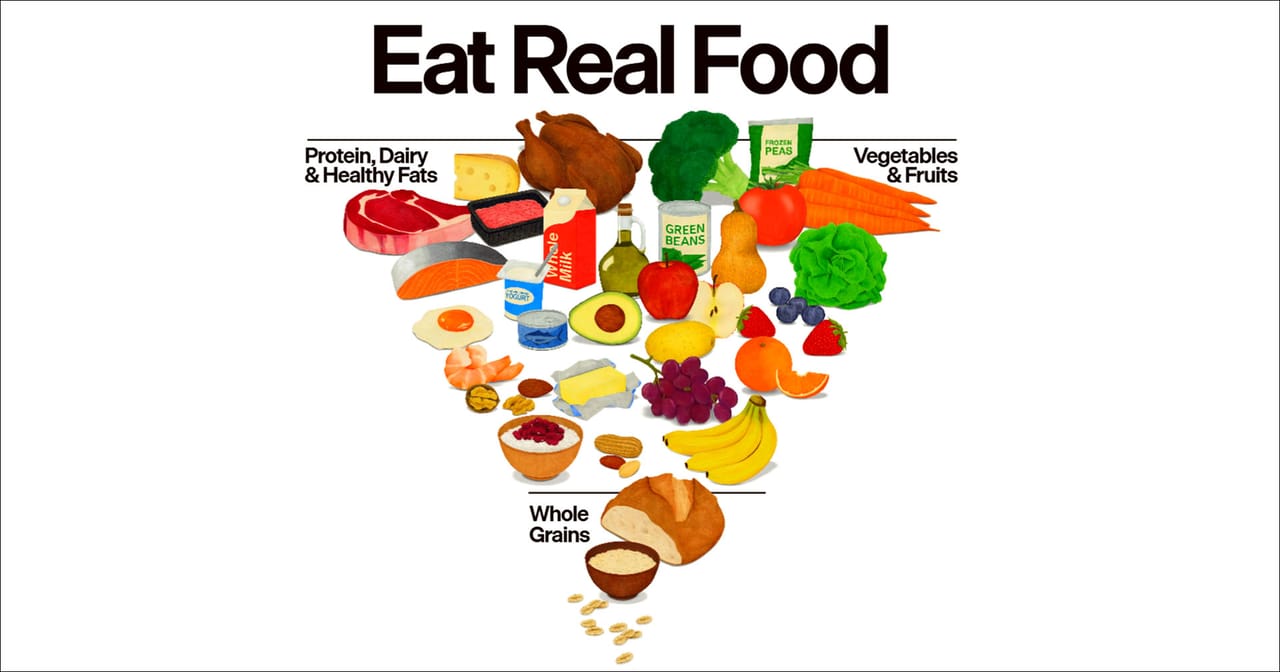
The New Food Pyramid. In the world of nutrition, trends, guidelines, and recommendations are continually evolving. The food pyramid, once a staple in diet advice, has undergone significant changes over the years.
As we better understand the complexities of human nutrition, the need for more nuanced, evidence-based dietary frameworks becomes evident. The updated food pyramid is a direct reflection of this shift, offering a comprehensive approach to nutrition that goes beyond the basic food groups and encourages holistic health.
The New Food Pyramid Key Insights on Modern Nutrition Guidelines offers a detailed look at how these updates reflect contemporary scientific understanding, and how they can directly influence the way individuals think about and approach their diets.
From a greater emphasis on plant-based eating to a recognition of the importance of physical activity, the new food pyramid represents a more sophisticated view of health and well-being.
The New Food Pyramid Understanding Modern Nutrition Guidelines
The previous iterations of the food pyramid, while groundbreaking at the time of their creation, were often criticized for oversimplifying the complexities of human nutrition. The old pyramid placed a heavy emphasis on carbohydrates, recommending large servings of bread, rice, and pasta, while relegating fats and proteins to smaller portions at the top. While this model served its purpose for many years, advances in nutritional science have shown that the relationship between food groups and human health is far more intricate than initially assumed.
The New Food Pyramid Understanding Modern Nutrition Guidelines seeks to reflect these changes, offering a more balanced, flexible approach to eating. It takes into account not only the nutritional content of various food groups but also the importance of portion sizes, food quality, and the need for a variety of foods to ensure optimal health. Modern nutrition now acknowledges that not all carbohydrates are created equal, not all fats are bad, and not all proteins are beneficial in the same way.
The Shift Towards Plant-Based Eating
One of the most significant changes in the new food pyramid is the increased emphasis on plant-based foods. While fruits, vegetables, and grains were already represented in earlier versions, they now occupy a much more prominent position at the base of the pyramid. Modern research has shown that plant-based foods provide a wide array of essential nutrients, including fiber, antioxidants, vitamins, and minerals, while being relatively low in calories. This shift toward plant-based eating aligns with findings that plant-based diets can lower the risk of chronic diseases such as heart disease, obesity, and diabetes.
The Role of Healthy Fats
Another noteworthy change is the reconsideration of fats. In previous food pyramids, fats were largely demonized, with recommendations for low-fat diets prevailing. However, The New Food Pyramid recognizes the importance of healthy fats, especially those found in sources like avocados, nuts, seeds, and fatty fish. These fats are essential for brain health, hormone production, and reducing inflammation. They also provide the body with a slow-burning energy source, unlike the rapid energy spikes caused by carbohydrates. The new guidelines advocate for moderation and quality when it comes to fats, encouraging the inclusion of healthier options and reducing intake of processed fats, such as trans fats.
Refined Carbohydrates: A Matter of Quality Over Quantity
In the older food pyramid, carbohydrates were the foundational food group, often consumed in large quantities. However, modern nutrition guidelines have adjusted this approach, recognizing that not all carbohydrates are beneficial. Refined carbohydrates—such as white bread, sugary snacks, and pasta—contribute to inflammation, weight gain, and poor metabolic health. Instead, the new pyramid prioritizes whole grains, vegetables, and fruits, which are rich in fiber and micronutrients and have a minimal effect on blood sugar levels.

The New Food Pyramid How Modern Nutrition Guidelines Affect You
The New Food Pyramid How Modern Nutrition Guidelines Affect You is crucial for anyone interested in improving their diet and lifestyle. These updated guidelines provide practical, evidence-based recommendations that are designed to be applied to daily life. The new pyramid is less about restricting food choices and more about cultivating an understanding of which foods contribute to long-term health and which may detract from it.
Increased Focus on Whole, Unprocessed Foods
One of the key messages from the new pyramid is the importance of whole, unprocessed foods. This reflects a growing body of research showing that highly processed foods—those laden with added sugars, artificial preservatives, and unhealthy fats—are linked to a variety of health problems, from obesity to heart disease and even certain cancers.
The new pyramid encourages individuals to opt for foods in their natural state as much as possible, including fresh fruits and vegetables, whole grains, and unprocessed meats or plant-based proteins. By choosing whole foods, individuals can benefit from the full spectrum of nutrients that have been stripped away from processed products. This shift aims to reduce the consumption of “empty calories” that provide little nutritional value but contribute to excess weight and chronic illness.
The Importance of Moderation and Balance
While the new food pyramid promotes a healthy approach to eating, it also stresses the importance of moderation. Many individuals fall into the trap of extremes, either overindulging in certain foods or completely cutting out others. The new pyramid recommends a balanced diet, one that incorporates a variety of food groups in proper proportions.
For example, the updated pyramid does not eliminate any particular food group but encourages individuals to choose nutrient-dense options within each category. This approach is meant to foster long-term habits that are sustainable and flexible, rather than promoting restrictive or fad diets that can often lead to nutritional deficiencies or unhealthy eating behaviors.
Hydration and Physical Activity
An important, but often overlooked, component of modern nutrition is hydration. The new food pyramid includes a strong emphasis on water, encouraging individuals to prioritize hydration throughout the day. Water is crucial for digestion, cognitive function, and temperature regulation. Inadequate hydration can lead to a host of issues, from fatigue and headaches to impaired kidney function and poor skin health.
Physical activity is also placed prominently in the new pyramid, acknowledging that exercise is just as important as a balanced diet for maintaining overall health. Regular physical activity, including both aerobic and strength-training exercises, supports cardiovascular health, strengthens muscles and bones, and helps maintain a healthy weight. The pyramid recommends at least 30 minutes of moderate exercise most days of the week, emphasizing the idea that small, consistent efforts add up to significant health benefits over time.
The New Food Pyramid What Modern Nutrition Guidelines Really Mean
The New Food Pyramid What Modern Nutrition Guidelines Really Mean is an essential question for those wanting to apply the updated guidelines to their everyday lives. The revised pyramid represents more than just a graphic on a page; it embodies a holistic view of health that takes into account both dietary choices and lifestyle habits.
A Holistic Approach to Well-Being
At the core of the new pyramid is a holistic approach to nutrition and well-being. Modern science acknowledges that diet is only one aspect of health, with physical activity, sleep, mental health, and environmental factors also playing vital roles. The new pyramid encourages individuals to see food not just as fuel but as a way to nourish and care for the body in a sustainable, health-promoting way.
This holistic view goes beyond weight management to focus on disease prevention, energy levels, mental clarity, and emotional well-being. The guidelines emphasize that eating a balanced, nutrient-dense diet can improve mood, reduce stress, and enhance cognitive function. As such, the new pyramid encourages individuals to adopt a more mindful, intentional approach to eating and living.
Personalizing the Guidelines for Your Needs
The new food pyramid also recognizes that nutrition is not one-size-fits-all. Every individual has different dietary needs based on factors such as age, sex, physical activity level, and specific health conditions. While the pyramid provides general guidelines, it also encourages individuals to adapt their diets based on their personal goals and health status.
For instance, athletes may need more protein and calories to support muscle recovery, while individuals with diabetes may need to focus on controlling their carbohydrate intake. The new pyramid allows for customization, ensuring that everyone can find an approach that works for them while still adhering to the core principles of balanced, whole-food nutrition.
Fostering Long-Term Health, Not Quick Fixes
One of the primary messages of the updated food pyramid is the emphasis on long-term, sustainable health rather than short-term diets or “quick fixes.” In a world inundated with fad diets and extreme weight-loss trends, the new pyramid advocates for a more balanced, flexible approach that prioritizes overall health and well-being. This mindset shift encourages individuals to view nutrition as a lifelong commitment rather than a temporary solution.
The new pyramid is designed to be a practical tool for individuals to use in their everyday lives, helping them make healthier choices that align with their long-term health goals. It offers a comprehensive framework for nutrition that incorporates the latest scientific research while providing the flexibility needed to adapt to personal preferences and needs.
The Role of Community and Social Support
The new pyramid also takes into account the social and environmental factors that affect health. Research has shown that support systems—whether family, friends, or a broader community—can play a crucial role in shaping eating habits and promoting healthy behaviors. The new pyramid recognizes that creating a supportive, health-conscious environment is essential for long-term success.
For example, communities that prioritize access to healthy foods, safe places to exercise, and mental health resources are more likely to see better health outcomes. Social support, whether in the form of group exercise classes, meal sharing, or communal cooking, can help individuals stay motivated and make healthier choices.
Conclusion
The New Food Pyramid Key Insights on Modern Nutrition Guidelines reflect a significant shift in how we approach food, health, and well-being. The updated pyramid emphasizes a balanced, flexible approach to eating, highlighting the importance of plant-based foods, healthy fats, and moderation. It recognizes that nutrition is not just about what you eat but how it fits into a broader, holistic lifestyle that includes physical activity, hydration, and mental health.
The New Food Pyramid Understanding Modern Nutrition Guidelines empowers individuals to
About the Author


