
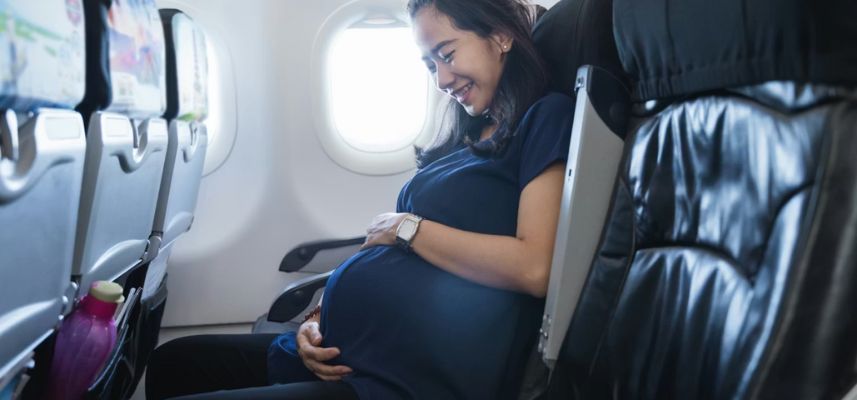
Flying in Your Third Trimester. The third trimester is a period of immense anticipation. As your due date approaches, the desire for one last getaway—often called a “babymoon”—can be strong.
However, 2026 travel standards and medical guidelines emphasize that while travel is generally safe for uncomplicated pregnancies, the third trimester requires a specialized approach to safety, comfort, and logistics.
Whether you are planning a short road trip or a cross-continental flight, understanding the latest medical advice and airline policies is crucial for protecting both your health and your baby’s well-being.
The Golden Question: Is It Safe?
For the majority of healthy women with uncomplicated pregnancies, travel remains safe until approximately 36 weeks. However, the American College of Obstetricians and Gynecologists (ACOG) and other global health bodies note that the “safest” window for travel typically ends at the 28-week mark.
Once you enter the third trimester (weeks 28 to 40), the risk of spontaneous labor, high blood pressure (preeclampsia), and venous thromboembolism (VTE) increases. In 2026, healthcare providers recommend a “radius of safety,” often suggesting that moms-to-be stay within 300 miles of their primary care facility after week 32.
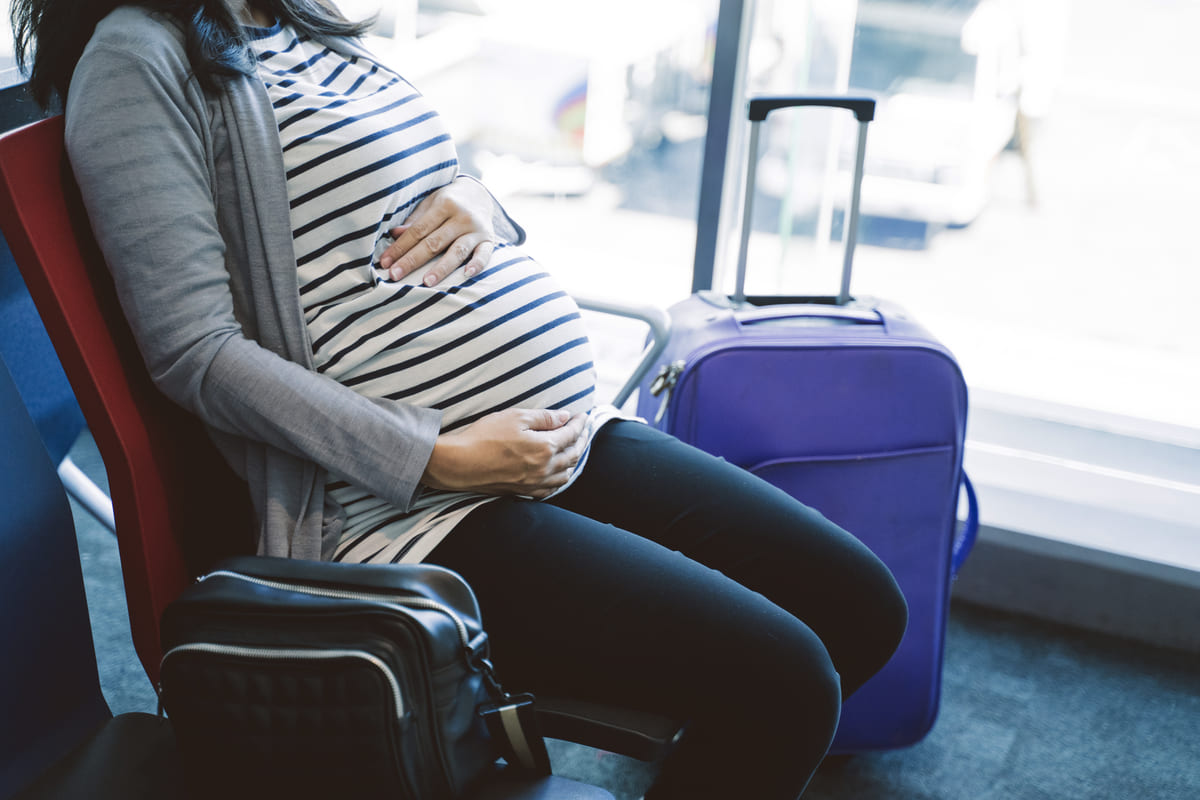
When to Reconsider Travel
Medical professionals advise against travel in the third trimester if you have any of the following:
- Preeclampsia or gestational hypertension.
- Placenta previa or other placental abnormalities.
- A history of preterm labor or premature rupture of membranes.
- A multiple pregnancy (twins or triplets), where the cutoff for safe travel is usually much earlier—around 32 weeks.
- Severe anemia or heart/lung conditions that could be exacerbated by high altitudes.
Navigating the Skies: 2026 Airline Policies
Airline regulations have become more streamlined in 2026, yet they remain strict regarding late-term pregnancy. Most major carriers have established a standard cutoff for domestic and international flights to prevent in-flight deliveries and emergency diversions.
General Cutoff Dates
- Domestic Flights: Most airlines allow travel up to 36 weeks for single, uncomplicated pregnancies.
- International Flights: The cutoff is often earlier, typically between 28 and 32 weeks, due to the duration of the flight and the distance from specialized medical care.
- Multiples: If you are expecting more than one baby, expect to be grounded by week 32.
Required Documentation
In 2026, many airlines now require a “Fit to Fly” certificate or a medical letter if you are past 28 weeks. This letter should be dated within 72 hours of your departure and must include:
- Your estimated due date (EDD).
- Confirmation that the pregnancy is uncomplicated.
- A statement from your doctor clearing you for the specific duration of the trip.
Health Risks and Prevention Strategies
The most significant physical risk during third-trimester travel is Deep Vein Thrombosis (DVT). Pregnancy naturally increases the blood’s tendency to clot, and prolonged immobility in a car or plane cabin compounds this risk.
Managing Circulation
To minimize the risk of blood clots, follow these 2026 updated protocols:
- Compression Therapy: Wear medical-grade, graduated compression stockings to promote blood flow from the lower legs.
- The “Every Hour” Rule: In a plane, walk the aisle every 60 minutes. In a car, stop every hour to stretch and walk for five minutes.
- In-Seat Exercises: While seated, flex and rotate your ankles frequently.
- Hydration: Airplane cabins have notoriously low humidity. Drink at least 8–10 ounces of water for every hour in the air to prevent dehydration, which can trigger Braxton Hicks contractions.
Proper Seatbelt Usage
Whether in a car or an airplane, the placement of your seatbelt is critical. It should be worn low on the hip bones, tucked under the “bump,” never across the abdomen. The shoulder strap should pass between the breasts.
2026 Destination Safety: Where to Go (and Where to Avoid)
When choosing a destination in your third trimester, “safety” refers to more than just crime rates; it refers to environmental and pathological risks.
High-Altitude Warning
Avoid destinations above 8,000 feet (approximately 2,500 meters) unless you live in a high-altitude area. The lower oxygen levels can cause altitude sickness and potentially reduce oxygen delivery to the fetus.
Infectious Disease Monitoring
As of 2026, the CDC continues to monitor areas with active Zika virus and Malaria transmission. Because the third trimester involves critical fetal brain development and maternal health stability, avoid any region with ongoing outbreaks of mosquito-borne illnesses or poor water sanitation.
Proximity to Level III NICUs
The most important factor for a third-trimester babymoon in 2026 is the proximity to a hospital with a Level III Neonatal Intensive Care Unit (NICU). If you go into labor prematurely, you need a facility capable of handling high-risk deliveries and neonatal emergencies.
The Essential 2026 Packing List for Moms-to-Be
Traveling in your third trimester requires more than just a passport. Your packing list should include:
- Physical Medical Records: While digital records are common, having a printed copy of your prenatal history ensures immediate care if you visit an out-of-network hospital.
- Prenatal Vitamins and Medications: Bring an extra 5-day supply in case of travel delays.
- Anti-Nausea Remedies: Third-trimester indigestion and motion sickness can be a difficult combination.
- Blood Type Documentation: Crucial information for emergency medical teams.
- Travel Insurance Policy: Ensure your policy specifically covers pregnancy-related complications and neonatal care. Many standard policies exclude “childbirth within X weeks of due date,” so read the fine print.
2026 Travel Tips for Maximum Comfort
- Book an Aisle Seat: You will likely need frequent bathroom breaks and space to stretch your legs.
- Avoid Gassy Foods: Gas expands at high altitudes. Avoid carbonated drinks and cruciferous vegetables (like broccoli) 24 hours before your flight to prevent abdominal discomfort.
- Bulkhead Seating: If available, these seats offer the most legroom, making it easier to adjust your position.
- Supportive Footwear: Peripheral edema (swelling of the feet) is common in the third trimester. Wear shoes that are a half-size larger than your pre-pregnancy size and avoid restrictive straps.
Summary of 2026 Recommendations
| Factor | Guideline for Third Trimester |
| Best Time to Travel | Before 28 weeks; caution recommended 28–36 weeks. |
| Airline Cutoff | 36 weeks (Domestic), 32 weeks (International). |
| Car Travel | Limit driving to 4–5 hours per day; stop every hour. |
| Medical Prep | Carry prenatal records and a “Fit to Fly” letter. |
| Red Flags | Bleeding, vision changes, severe headache, or decreased fetal movement. |
Ekspor ke Spreadsheet
Final Thoughts
Travel in your third trimester is absolutely possible, provided you are prepared, healthy, and informed. The key to a successful 2026 babymoon is flexibility. Always have a “Plan B” in case your doctor advises against travel at the last minute or your body tells you it’s time to rest.
About the Author


